
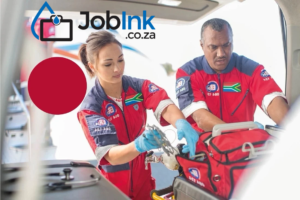
Ambulance Assistant Free Training Learnership 2026: Requirements and How to Apply
Ambulance Assistant Training 2026 is an opportunity worth exploring for South Africans who want to build a career in emergency medical care. The training may help you learn basic patient care, first aid and emergency response skills. However, applicants should verify the programme details with an official training provider before applying, as a specific 2026 intake has not been confirmed.
For example, emergency medical workers may assist people who are sick or injured. They may also provide first aid and help patients reach medical facilities safely.
However, it is important to check the details before applying. Some online adverts mention free training, a 12-month programme and a monthly stipend of around R5,000. However, these details have not been officially confirmed for a specific 2026 intake. Therefore, applicants should check with an official training provider or provincial health department first.
In this guide, Jobink explains the possible requirements, documents to prepare and steps to follow when looking for a genuine opportunity.
Table of Contents
- About the Ambulance Assistant Training Programme
- What Will You Learn?
- Eligibility Requirements
- Key Programme Details
- Required Documents
- How to Apply
- Closing Date
- Why Is This Opportunity Important?
- Frequently Asked Questions
- Final Thoughts
1. About the Ambulance Assistant Training Programme
Ambulance Assistant training can help people develop basic skills for supporting patients during medical emergencies. For example, emergency medical workers may respond to road accidents, sudden illness and other situations where people need urgent help.
Furthermore, the training may include classroom lessons and practical activities. However, the exact subjects depend on the course and the training provider.
Therefore, applicants should confirm that the course is recognised and suitable for their career goals. It is also important to understand that this article does not confirm that applications for a specific free 2026 programme are open.
2. What Will You Learn?
The subjects covered will depend on the course you choose. However, recognised emergency medical training may cover several important areas.
For example, these may include:
- Basic first aid and patient care.
- How to recognise common medical emergencies.
- How to assist patients safely.
- Basic emergency response procedures.
- How to communicate with patients and medical workers.
- Health and safety during emergency situations.
In addition, some courses may include practical training. As a result, students may have opportunities to practise certain skills under supervision.
Nevertheless, the course length, training methods and qualification will depend on the recognised provider.
3. Eligibility Requirements
The entry requirements may differ from one training programme to another. Therefore, you should always read the official advert before applying.
In general, applicants may be asked to meet the following conditions:
- Have a Grade 12 certificate or another accepted qualification.
- Meet the minimum age requirement.
- Be able to communicate clearly.
- Meet any required medical or fitness standards.
- Provide valid identification and academic records.
- Meet any additional conditions listed by the training provider.
However, these are possible requirements, not confirmed entry conditions for a specific 2026 intake.
For this reason, do not assume that Grade 12 alone is enough. Some courses may require specific school subjects, additional qualifications or other conditions.
4. Key Programme Details
The table below summarises the information that has been mentioned online. However, the details marked as unconfirmed must be checked with the organisation responsible for the programme.
| Programme detail | Information |
| Programme | Ambulance Assistant training |
| Country | South Africa |
| Training fee | Free training claimed online; unconfirmed |
| Duration | 12 months claimed online; unconfirmed |
| Monthly stipend | Around R5,000 claimed online; unconfirmed |
| Minimum qualification | Depends on the recognised course |
| Application status | A specific 2026 intake has not been confirmed here |
| Closing date | Not officially confirmed |
Importantly, applicants should not make financial plans based on an unverified stipend. Furthermore, a training course is not always the same as a paid learnership.
Therefore, confirm whether the opportunity offers a stipend, whether any fees apply and what conditions successful applicants must meet.
5. Required Documents
If you find an official opportunity, you should prepare the documents listed in its advert. In many cases, applicants may need the following:
- A certified copy of their South African ID.
- A Grade 12 certificate or latest academic results.
- An updated CV.
- Proof of address, if requested.
- Additional certificates required by the provider.
Before submitting your application, make sure your documents are clear and up to date. Also, check that you are using the correct application channel.
Most importantly, never pay someone who promises to secure a training place for you. If an advert asks for money to process your application, verify it with the official organisation before taking any action.
6. How to Apply
If you want to pursue this type of training, follow these steps to find a genuine opportunity.
Step 1: Check official sources
First, visit your provincial Department of Health website. Alternatively, contact a recognised emergency care training institution to ask about approved courses and current intake opportunities.
Step 2: Read the advert carefully
Next, check the course name, entry requirements, training location, fees and closing date. If a stipend is offered, make sure the official advert clearly states the amount and payment conditions.
Step 3: Prepare your documents
After confirming the requirements, prepare your CV, ID and academic records. In addition, include any other documents requested by the official provider.
Step 4: Submit your application
Once your documents are ready, use the application link, email address or submission method provided by the official institution or department.
Step 5: Keep proof of your application
Finally, save your application reference number or confirmation email. This will help you follow up if necessary.
You can also contact the KwaZulu-Natal College of Emergency Care to ask about recognised courses and current intake information. However, contact the institution directly to confirm its available programmes and application requirements.
7. Closing Date
At the time of writing, the closing date for a specific Ambulance Assistant Free Training Learnership 2026 intake has not been officially confirmed in this article.
Therefore, do not rely on a date shared on social media unless you can verify it through the organisation responsible for the programme.
If applications are open, submit your documents before the official deadline. Otherwise, ask the training provider when the next intake is expected.
8. Why Is This Opportunity Important?
Emergency medical care plays an important role in South Africa. For example, people may need urgent help after road accidents, sudden illness or other medical emergencies.
For this reason, recognised training can help suitable candidates develop useful skills and explore a career in emergency care.
Furthermore, training may help applicants understand the responsibilities involved in assisting patients. However, completing a course does not guarantee employment.
Therefore, choose a recognised course and make sure you understand its entry requirements before committing your time or money. If this particular opportunity is unavailable, you can also explore other recognised health training programmes.
9. Frequently Asked Questions
1. Is Ambulance Assistant training free in 2026?
- Free training has been mentioned in online adverts. However, a specific 2026 intake has not been officially confirmed here. Therefore, contact the training provider to check whether the course is free or whether fees apply.
2. Will successful applicants receive R5,000 per month?
A monthly stipend of around R5,000 has been claimed online. Nevertheless, this amount has not been officially confirmed for the specific programme discussed in this article. Only rely on information published by the organisation responsible for the opportunity.
3. Where can I apply for Ambulance Assistant training?
First, check your provincial Department of Health website. You can also contact a recognised emergency care training institution. Before submitting your documents, confirm that the course is approved and that applications are open.
10. Final Thoughts
Ambulance Assistant training may be a useful option for people who want to work in emergency medical care. However, applicants must check the programme details before applying.
At present, the claims about free training, a 12-month duration and a monthly stipend of around R5,000 have not been officially confirmed for a specific programme in this article.
Therefore, check official sources, prepare your documents and apply only through a recognised institution or department. By taking these steps, you can reduce the risk of falling for misleading adverts and focus on genuine training opportunities.
Related Posts on Jobink.co.za
If you are looking for more training and career opportunities, you can also explore these posts:
Disclaimer: Jobink.co.za is an independent career information website. We are not affiliated with any employer, government department, training provider or recruitment agency unless explicitly stated. We do not guarantee employment or selection for any programme. Always confirm details through official sources before applying.